
Writing a farewell letter
I’m thinking about formatting a farewell letter or monologue, maybe directed to a teammate or even a chessboard. I want to use evocative imagery and explore themes of confession. It could center on sacrifices made for glory, perhaps a grandmaster like Kostya reflecting on small acts, like agreeing to a quick draw or avoiding a brave move in a championship. Balancing the ethical nuances is key, but I want it to remain poignant without getting too scandalous.Composing a farewell piece
I’m considering how to write this farewell piece, keeping the user's message as the title and writing in first person. I want to create lyrical prose, roughly 900-1200 Chinese characters, and reference the figurative "64格棋盘是我的地图." It could be a heartfelt farewell to fans, a mother, and a coach, revealing that a brilliant victory felt empty due to the opponent's illness or another moral dilemma. I’ll keep it tasteful and follow all formatting guidelines.Drafting the farewell story
I’m working on a farewell story, starting with the title provided, and I won’t use special formatting. In the opening, Kostya reflects on his last night in the hall, describing the light, dust, and faint smell of the board. He likens glory to snow under lights and mentions regret as the grit in his shoes. I’ll touch on his childhood in Kharkiv while staying neutral on politics. His confessions will include accepting a fixed draw and prioritizing victory over friendship, followed by themes of apology and acceptance.Composing the farewell scene
I’m drafting the farewell scene where the character leaves the board, perhaps moving the king to f1 or returning a pawn to the center. He reflects on how chess taught him about limits and silence, expressing a desire to learn how to lose well. As he exits the hall, he carries not trophies but the essence of the chessboard within. I’m aiming for around 700-900 Chinese characters, broken into 9-12 short paragraphs to convey the emotion without losing clarity. I'll start with: "灯光像旧雪落在棋盘,64格的边缘有尘。" Let’s create a rich yet concise piece.
在灯光像旧雪落在棋盘的晚上,我把最后一枚棋子放回盒中。64格的边界仍沾着指尖的粉末,像我这些年在荣耀与遗憾之间走出的脚印——亮的时候闪,暗的时候疼。有人把我的名字写进榜单和海报,有人把我叫作“科斯蒂亚”,像喊一只总能回家的鸟。但我知道,有些归巢之夜,我其实在盘旋。
辉煌很轻,像冬天街头的热气——看得见又抓不住。站在领奖台上时,我常听见另一种声音:那些被我错过的人和局。母亲在电话那头问我吃了没,我说刚结束。其实我饿的是另一种东西:想赢时的念头,想停下时的勇气。
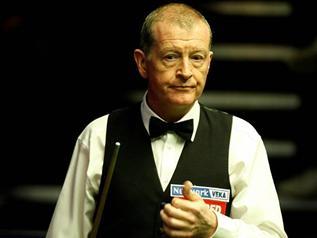
我要告别,也该自白。
我在某个关键的下午,选择了和棋。那一分让我进了候选人的房间,也从此在镜子前绕了更大的弯。我和主教那样走对角线的人生,却在最直的一步上退缩过。我还记得那晚的灯:白得像一张未拆的信,里面有我的名字,却不是我的字。
我曾用过不属于我的准备。一个年轻的陪练,把他心里藏了三年的构想摊在我桌上,我点头、记下、付酬,却在记者追问时说是“团队灵感”。我不是没良心的人,但我学会了把良心折叠进专业,像把一只车藏在兵后,等情势需要再推出来——只是那一夜以后,棋子上的汗味变得更咸。
我也辜负过朋友。那场队际赛,赞助商坐在第一排,眼睛像硬币。他的肩膀在落子时抖了一下,我知道他最近睡不好,而我只看见排名。将死那一刻,他笑着伸手,我握住,却没敢抬头。几年后我们在机场偶遇,他问我还下不下得动,我说还行。他点头,就像当年那样,把心事收回袖口里。
告别不是离开棋盘,而是承认我不会再用胜负解释一切。人到某个年纪,最锋利的棋,落在该认的输上。那些奖杯此刻倒扣在桌上,像缺席的月亮;我把它们一个个扶正,又一只只转回去,让它们像风铃,空着,才能响。
我感谢那些在我失误后仍鼓掌的人,也感谢嘘声,它教我听见自己棋钟的滴答。我羡慕过更大胆的天才,也嫉妒过更稳妥的老将。我终于明白,辉煌是别人看到的光,遗憾是自己背着的影;而我在光影之间走了很久,学会了给影子起名,叫诚实。
今晚我从大厅走出去,不带走所谓的“最后一步”。棋盒里还有未用尽的开局,心里还有未说完的歉意。若有来日,我愿意做一个耐心的观者,坐在第二排,替后来者屏住呼吸。在他们胆怯时,我会用掌声把他们推上一小格;在他们耀眼时,我会替他们记下那一瞬的颤抖。
这就是我的告别与自白:我曾赢过许多棋,但我最想赢的那一盘,是和自己言而有信。今晚我终于握手,接受和解。明天起,路不再以64格计,风吹来,我也能不落子。